
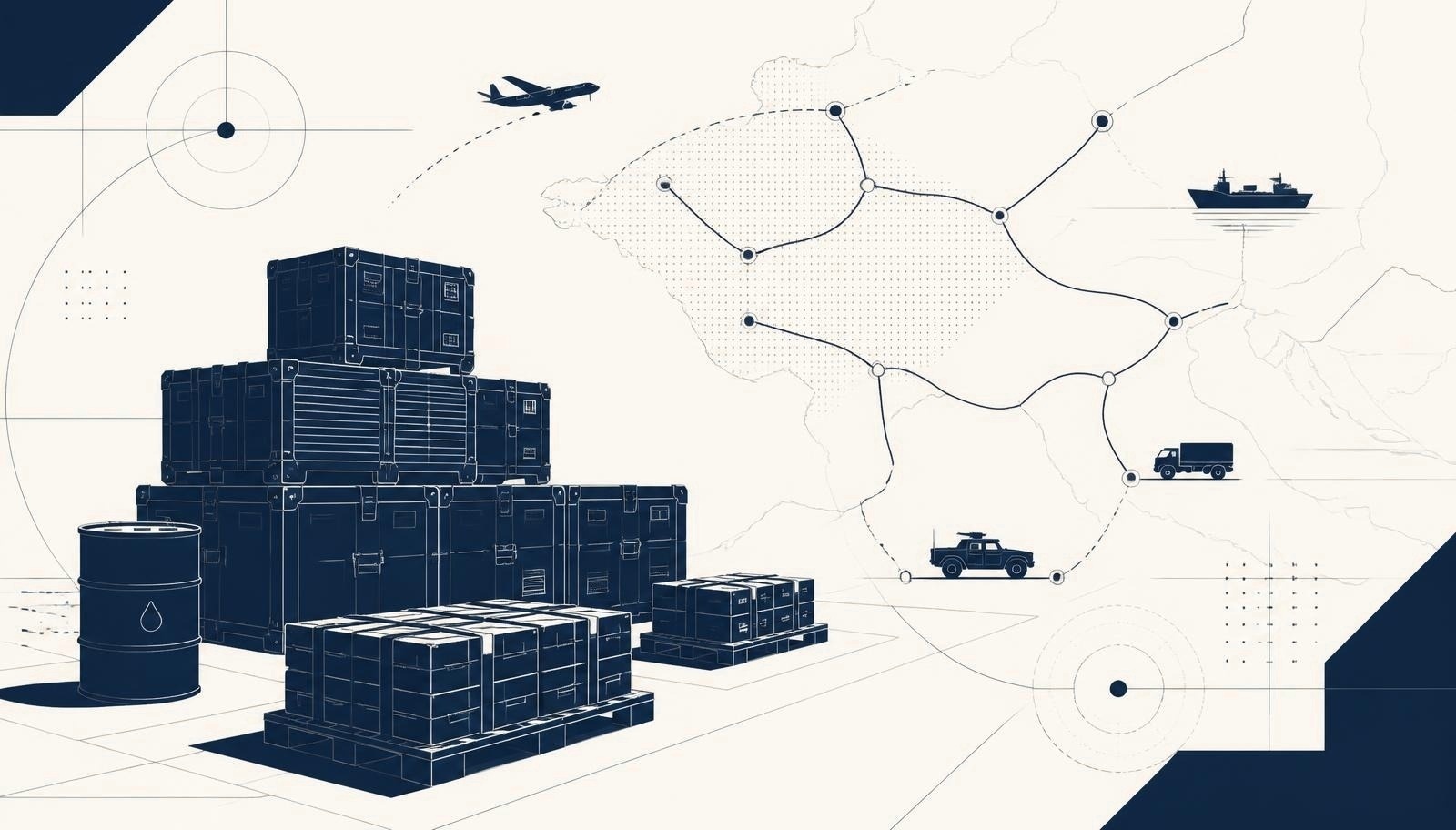
What is NSPA and where did it come from?
NSPA, the NATO Support and Procurement Agency, is NATO's central procurement, logistics and sustainment organisation. It was formed in 2012 when several earlier NATO support bodies, including the NATO Maintenance and Supply Agency (NAMSA), were merged into a single, more efficient agency.
NSPA is headquartered in Capellen, Luxembourg, with significant offices and depots in France, Italy, Hungary and Poland, among others. It is jointly owned by NATO member nations and funds most of its operations through customer charges rather than direct allocations from the NATO budget.
In practice, NSPA acts as a shared procurement and support hub for NATO and its member and partner nations: it buys, stores, transports and maintains equipment and materiel that would be inefficient for individual countries to source separately.
What are NSPA's main programmes and support partnerships?
NSPA supports dozens of equipment and system programmes in which member nations have agreed to jointly procure and sustain shared capabilities. Examples include life-cycle support programmes for various weapon systems, aircraft fleets and vehicle platforms, where NSPA acts as a central coordinator of spare parts and maintenance services on behalf of multiple user nations.
Beyond these programmes, NSPA offers general support services such as transport, storage, fuel supply and base camp infrastructure for operations and exercises. It also serves as a channel through which member nations can pursue joint procurement, gaining economies of scale and standardised logistics solutions.
Many programmes are built on long-term framework agreements, so it is often easier for new suppliers to enter through smaller, one-off procurements than to break directly into large multi-year contracts.
What does NSPA actually buy?
NSPA's procurement covers nearly everything military forces and their equipment need across a full life cycle. Categories range from large framework agreements to small, fast-tracked one-off purchases.
- fuel, lubricants and energy solutions
- ammunition, explosives and related safety services
- spare parts, components and maintenance equipment for weapon systems
- vehicles, engineering equipment and accessories
- personal protective equipment and other military gear
- transport, warehousing and distribution services
- life-cycle support, maintenance and repair services
- readiness and emergency procurement during crises
How do NSPA's tenders actually work?
NSPA publishes most of its procurement opportunities through its electronic procurement portal, where registered suppliers can see Requests for Quotation (RFQ) and Invitations to Tender (ITT). Some smaller or urgent procurements may be awarded directly to selected suppliers without an open competition.
Larger procurements often involve pre-qualification, assessing a supplier's technical capability, quality systems and track record on comparable deliveries. Evaluation typically weighs price alongside technical compliance, delivery reliability and life-cycle costs.
Timelines can be tight, particularly for urgent or operationally driven procurements, so regularly monitoring notices is important to avoid being caught out by short response windows.
How does a company register as an NSPA supplier?
The first step to becoming an NSPA supplier is registering in NSPA's vendor database. Registration requires basic company information, a description of products or services offered, and quality and security certifications.
In many cases, a so-called source file approval is also required, where NSPA formally approves a company's product or service for a specific procurement category. This process can involve submitting technical data, samples or quality documentation for NSPA's assessment before the company can bid within that category.
Keeping registration data current matters: outdated information or missing certifications can exclude a company from tenders even when its product or service is otherwise competitive.
Why does national sponsorship matter for NSPA contracts?
Some NSPA procurements, especially security-classified or nation-specific contracts, require support from a member nation's designated national point of contact. In Finland, this role typically involves coordination with the defence administration and the Finnish Defence Forces.
National sponsorship can mean confirming that a company meets national security requirements, or backing its participation in a specific NATO joint procurement programme. Without this support, participation in certain procurements simply is not possible, regardless of a company's technical qualifications.
How can a Nordic SME win NSPA contracts?
For a small or medium-sized Nordic company, the most realistic path into NSPA's supply chain usually runs through one of two routes: bidding directly in a narrow area of specialist expertise, or acting as a subcontractor to a larger prime contractor already approved as an NSPA vendor.
Nordic companies tend to be particularly competitive in areas such as cold-weather equipment and gear, specialised manufacturing, maintenance services, logistics solutions, and cybersecurity or IT systems services.
Tracking and bidding on smaller, one-off procurements is a good way to build a track record with NSPA before pursuing larger, multi-year contracts.
What are the common pitfalls in NSPA tenders?
The most common mistake is reacting too late to a tender notice: many NSPA procurements have strict deadlines, and missing documents or certifications cannot be sourced at the last minute.
Another frequent issue is incomplete technical documentation or failure to demonstrate compliance with standards; NATO procurement often demands precise technical specifications and traceability that go beyond what commercial markets typically require.
A third pitfall is underestimating the time needed for security clearances and export licences: leaving these until after a bid is submitted can delay or even prevent signing a contract.
How should companies monitor NSPA procurement notices?
Because NSPA continuously publishes new tenders across many categories, manually browsing the portal is time-consuming and easily results in missed opportunities. The most effective approach is to monitor notices systematically, filtered by industry and product category.
This is where automated monitoring and alerts provide a clear advantage over occasional manual checks of the procurement portal.
How does Salpa help with NSPA procurement monitoring?
Salpa continuously monitors public procurement notices from NSPA as well as other NATO bodies, including NCIA, ACT, ACO and NATO HQ, and uses AI to summarise them in Finnish, Swedish or English, according to your preference. You receive an alert as soon as the system detects a tender or pre-notice relevant to your company in your chosen categories. You can try the service with a 14-day free trial and no commitment.